Squirrel Trapping & Squirrel Control
Squirrels are not pests, and they cannot be managed through traditional pest control methods. When squirrels enter attics, walls, or rooflines in North Georgia, their behavior can quickly lead to chewed wiring, damaged insulation, noise issues, and repeated entry points. Once a squirrel gains access to a home, it will continue returning unless the animal is removed and the structure is properly sealed.
Squirrel Trapping and Squirrel Control services for North Georgia are professionally handled by our Wildlife Division, Southern Wildlife Management, providing homeowners with direct access to licensed squirrel trapping and exclusion when wildlife activity becomes destructive.
📞 Call Us:(678) 648-6397
Why Squirrel Problems Are Not a Pest Control Issue
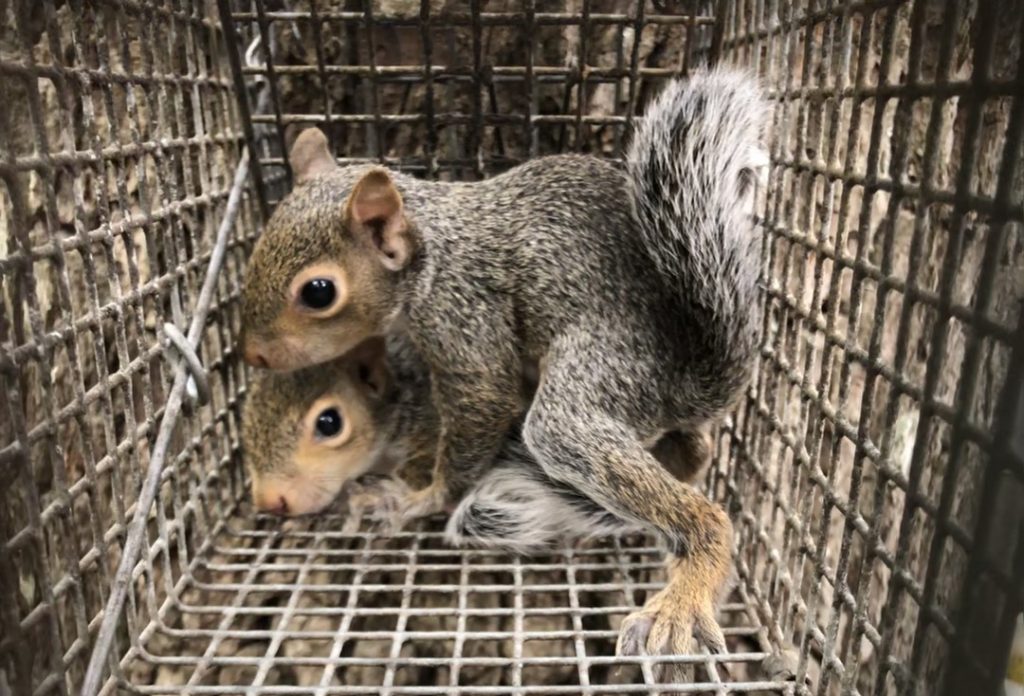
Squirrels are protected wildlife in Georgia and are not insects or rodents covered under standard pest control programs. Traps, poisons, repellents, and deterrents marketed for pest control do not resolve squirrel infestations and often make the situation worse. While lethal methods (kill traps NOT POISONS) are permitted under Georgia’s Department of Agriculture for pest control operations, wildlife regulations require squirrels to be handled through approved cage trapping methods. Based on more than 15 years of experience, cage trapping with daily trap checks has proven to be the most effective and reliable approach – we stick with what works.
Effective squirrel control requires licensed wildlife trapping, daily trap monitoring, and professional exclusion work that addresses the exact entry points being used. For this reason, squirrel issues fall under licensed nuisance wildlife control, not routine pest control services.
Who Handles Squirrel Trapping & Removal
Southern Pest Management and Southern Wildlife Management operate as a family-run partnership. While pest control services are handled through Southern Pest Management, all wildlife trapping and exclusion services are performed by our wildlife division at SouthernPest.biz.
This separation ensures:
• Proper wildlife licensing and legal compliance
• Humane trapping methods
• Daily trap checks
• Specialized exclusion materials
• Long-term prevention, not temporary fixes
Professional Squirrel Trapping & Exclusion Services
This page provides a brief overview of squirrel activity and why professional wildlife services are required. For complete details on Squirrel Trapping, Squirrel Removal, Squirrel Exclusion, warranties, and FAQs, visit our dedicated wildlife page below.
10 Most Common Questions Relating to Squirrel Trapping and Control
How do I know if squirrels are in my attic?
Common signs include scratching or running noises, especially early in the morning, visible entry holes near rooflines, droppings, nesting material, and damaged insulation.
Are squirrels dangerous inside a home?
Yes. Squirrels can chew wiring, damage insulation, contaminate attic spaces, and create fire hazards from exposed electrical lines.
Why do squirrels keep getting into attics?
Attics provide warmth, safety, and nesting space. Once squirrels find a viable entry point, they will continue using it until the access is blocked.
Do squirrels leave on their own?
Rarely. Even if activity seems to stop temporarily, squirrels often return unless the animals are removed and the home is properly sealed.
Can pest control treatments get rid of squirrels?
No. Squirrels are not insects or rodents that respond to chemical treatments. Trapping and exclusion are required for effective control.
How long does squirrel trapping usually take?
Most squirrel trapping programs are completed within one week, depending on activity levels and access points.
Is it legal to trap squirrels in Georgia?
Yes, but trapping must follow state regulations. Approved methods focus on humane cage trapping with daily trap checks.
Will squirrels come back after trapping?
They can if entry points are not sealed. Trapping removes the current squirrels, but exclusion prevents new ones from entering.
What is squirrel exclusion?
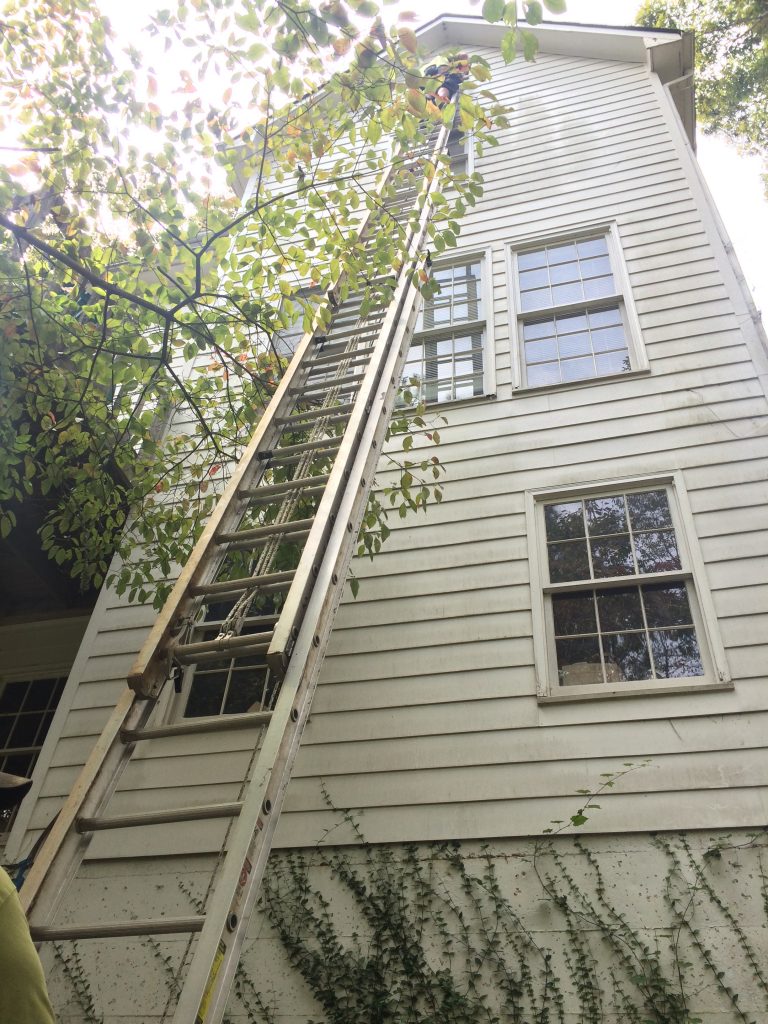
Squirrel exclusion involves sealing entry points such as gable vents, soffit gaps, construction gaps, and roofline openings using animal-proof materials.
Who should handle squirrel trapping and control?
A licensed professional with experience in squirrel behavior, trap placement, and exclusion methods is best equipped to resolve the problem safely and effectively.