Rat Trapping & Rat Control
Rat Trapping Services are one of the most demanded services that we offer because Rats are one of the most destructive and fast-reproducing pests found in North Georgia. While spotting a single rat does not always mean there is a full infestation, it is often a sign of hidden activity inside walls, attics, crawl spaces, or around commercial properties. Rats can damage structures, contaminate food and surfaces, and create serious health concerns for homeowners and businesses.
Southern Pest Management provides professional Rat Trapping and Rat Control services under both our Structural Pest Control License and Southern Wildlife Management’s Nuisance Wildlife Control Permit. Unlike many pest control companies that rely on baiting alone or infrequent trap checks, our approach is from our origins in Wildlife Control which focuses on aggressive trapping with daily monitoring, allowing us to respond quickly and prevent rats from becoming trap-shy.
Our Rat Trapping service area covers North Georgia, including Alpharetta, Big Canoe, Blue Ridge, Cumming, Dacula, Dawsonville, Duluth, Ellijay, Johns Creek, Milton, Marietta, Peachtree Corners, and surrounding areas. If you are near these locations, call us to discuss your situation.
📞 Call Us:(678) 648-6397
Our Professional Rat Trapping Program
We offer a flat-rate Rat Trapping program structured in one-week timeframes. There are no setup fees, no per-animal charges, and no estimates required to begin service.
Traps are checked daily, Monday through Friday, as required by Georgia law. Daily trap checks are more humane and are critical to success, as rats quickly learn to avoid traps when they are left unattended. Regular monitoring allows our technicians to adjust placement, refresh bait when needed, and resolve the problem efficiently.
What To Expect During Service
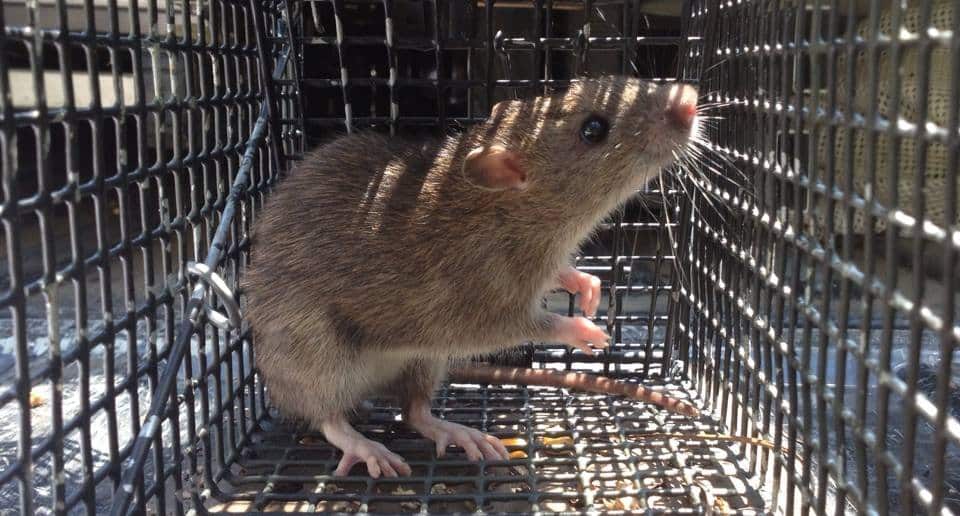
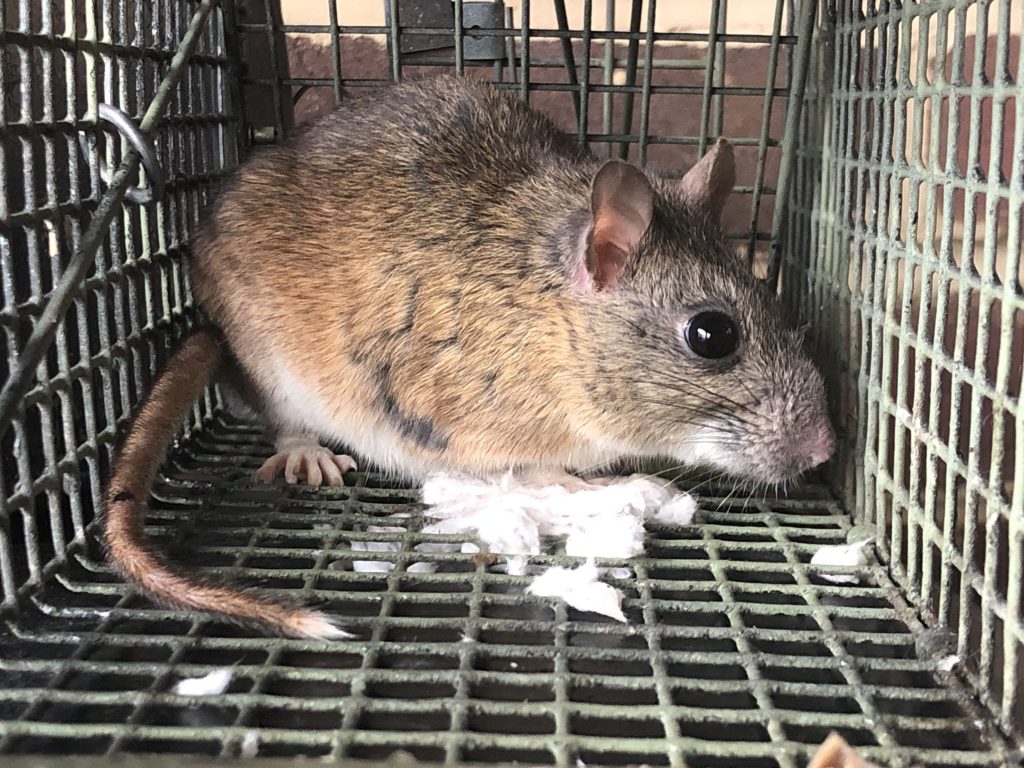
Each job begins with an evaluation of activity areas, travel paths, and contributing conditions. We use a combination of live cage traps, snap traps, and concealed snap traps, selected based on the structure and level of activity.
All indoor traps are placed inside tamper-resistant, concealed boxes to avoid visual concerns and ensure safety for occupants, pets, and staff.
📞 Call Us:(678) 648-6397
Rat Exclusion Services
Trapping removes the rats that are present. Exclusion prevents new rats from entering.
After rodents are removed, residual odors and scent trails can attract new animals unless entry points are sealed. Rat exclusion involves identifying and closing access points using animal-proof materials designed to withstand chewing and weather exposure.
Common entry areas include gable vents, soffit junctions, dryer and bathroom vents, construction gaps along the gutter line, and structural openings. While traps are in place, we identify how rodents are entering and provide a proposal for exclusion work. Because every structure is different, exclusion pricing cannot be accurately provided over the phone.
If approved, exclusion work is performed during the trapping period to ensure long-term results.
📞 Call Us:(678) 648-6397
TOP 10 RAT TRAPPING & RAT CONTROL QUESTIONS
How do I know if I have a rat problem?
Common signs include droppings, scratching noises in walls or ceilings, gnaw marks, grease marks along walls, and sightings during daylight hours, which often indicate increased activity.
Are rats dangerous to have in a home or business?
Yes. Rats can spread bacteria and parasites, contaminate food and surfaces, damage insulation and wiring, and pose serious health risks to occupants.
How quickly do rats reproduce?
Very quickly. A single pair of rats can produce dozens of offspring in a short period of time, which is why early trapping and control are critical.
Do bait stations alone solve rat problems?
Not usually. Baiting without proper trapping and monitoring can lead to odor issues, missed activity, and continued infestation if entry points are not addressed.
Why is daily trap checking important for rat control?
Daily checks are required by law, more humane, and prevent rats from learning to avoid traps. They also allow traps to be repositioned for better results.
How long does rat trapping usually take?
Most rat trapping programs are structured in one-week timeframes, but duration can vary depending on activity levels, structure layout, and contributing conditions.
Will rats come back after trapping?
They can if entry points are not sealed. Trapping removes the rats present, but exclusion is what prevents new rats from entering.
What is rat exclusion?
Rat exclusion is the process of sealing gaps, vents, and openings using animal-proof materials to block access into the structure.
Where do rats usually enter buildings?
Common entry points include gable vents, soffit junctions, construction gaps, dryer and bathroom vents, foundation openings, and damaged siding or trim.
Who should handle rat trapping and control?
A licensed pest control professional with experience in rodent behavior, trap placement, and exclusion methods is best equipped to resolve rat problems safely and effectively.