Mole Trapping & Mole Control
Moles can cause extensive lawn damage in a very short period of time. Their underground tunneling creates raised ridges, soft spots, and collapsed turf that quickly ruins otherwise healthy yards. In North Georgia, Mole Trapping and Mole Control are handled directly by Southern Pest Management under our Lawn & Ornamental Pest Control licensing with the Georgia Department of Agriculture.
Because moles are controlled through trapping and EPA-regulated baiting products, this service falls under pest control—not nuisance wildlife trapping—and does not require Georgia DNR involvement.
Call now for FAST & AFFORDABLE MOLE CONTROL SERVICES
📞 (678) 648-6397
Why Mole Problems Are Handled Through Pest Control
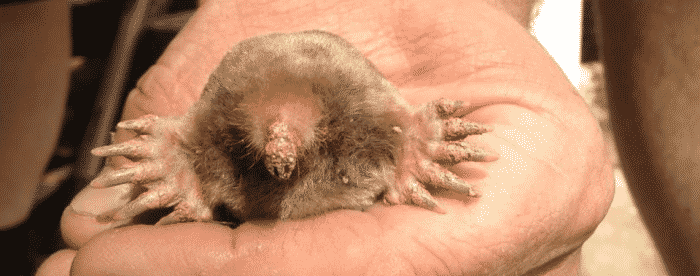
Moles are solitary, underground-dwelling mammals that spend nearly all of their time feeding below the surface. Their control relies on two regulated methods: lethal trapping and subterranean baiting. Both methods fall under pest control regulations because they involve pesticide products and lawn treatment practices governed by the Georgia Department of Agriculture and the EPA.
For this reason, Mole Trapping & Mole Control are performed directly by Southern Pest Management and are not transferred to our wildlife division.
Call US –
📞 (678) 648-6397
–Our Mole Control Approach–
Our Mole Control program typically uses a Trapping & Baiting combination, depending on conditions, activity level, and tunnel patterns.
Mole Trapping
We place specialized underground traps directly in active tunnels. These traps are designed to eliminate moles quickly and humanely below the surface.
Mole Baiting
When appropriate, we strategically place EPA-regulated mole bait underground. Bait locations are flagged, monitored, and retrieved if unused. This allows us to resolve persistent mole activity when trapping alone is not sufficient.
Homeowners can improve effectiveness by lightly pressing down visible tunnels prior to service. This helps identify active runs and allows our technicians to focus placement precisely.
Why Mole Damage Escalates Quickly
Moles are often mistaken as group animals, but they are typically solitary. However, multiple moles may pass through the same yard over time. Because they feed almost constantly—consuming large quantities of earthworms and insect larvae each day—they must cover extensive underground territory.
Tunnel depth changes with soil moisture. In wet conditions, tunnels remain shallow and highly visible. In dry periods, moles dig deeper following earthworms. Permanent tunnels typically run 8–12 inches below the surface, while feeding tunnels may appear just under the turf.
Call US –
📞 (678) 648-6397
Mole Diet & Lawn Attraction
Moles do not eat plant roots. They are hunting earthworms and insect larvae, including grubs. Lawns with rich soil and high worm activity are more attractive. Reducing food sources can help, but active moles must be removed to stop damage.
Service Area
Our Mole Trapping & Mole Control services are available throughout North Georgia, including Alpharetta, Johns Creek, Duluth, Milton, Roswell, Suwanee, Cumming, Dawsonville, Gainesville, Dahlonega, Ellijay, and surrounding areas. If you are near these locations, call us to discuss your situation.
Call US –
📞 (678) 648-6397
Top 10 MOLE TRAPPING & MOLE CONTROL Questions Asked:
How do I know if I have moles in my yard?
Common signs include raised ridges, soft spots underfoot, surface tunnels, and small mounds of displaced soil appearing suddenly across the lawn.
Do moles eat grass or plant roots?
No. Moles feed primarily on earthworms and insect larvae. Turf damage occurs from tunneling, not from eating plants.
Why does mole damage seem to appear overnight?
Moles are active feeders and must eat frequently. Their constant tunneling allows damage to spread quickly, often appearing overnight.
How many moles are usually in a yard?
Moles are typically solitary. Even extensive damage is often caused by a single mole, though multiple moles can pass through the same property over time.
Will moles go away on their own?
Rarely. If food sources remain available, moles often continue tunneling or new moles move into abandoned tunnel systems.
Do mole repellents work?
Most repellents provide little to no long-term control. Moles are driven by food availability, not scent deterrents.
What is the most effective way to get rid of moles?
Professional trapping and, when appropriate, regulated baiting are the most reliable methods for resolving active mole problems.
Is mole trapping humane?
Yes. Professional mole traps are designed to eliminate moles quickly underground, minimizing suffering.
Can mole bait be used safely?
When applied correctly by licensed professionals, EPA-regulated mole bait is placed underground and managed carefully to ensure safety and effectiveness.
How long does mole control usually take?
Timing varies based on activity level and conditions, but many mole problems are resolved within days once active tunnels are treated.