Learn How Groundhogs Damage Properties In North Georgia
Groundhogs, also known as woodchucks, were once primarily associated with rural farmland, but over time they have increasingly moved into North Georgia residential areas. As Groundhog Trapping requests have increased, homeowners are discovering how quickly these animals can cause serious property damage. Groundhogs dig extensive underground burrow systems that can undermine foundations, patios, driveways, sheds, fences, and pasture land.
Unlike surface-level wildlife damage, groundhog activity often goes unnoticed until soil begins to collapse or structural settling becomes visible. Burrow entrances are commonly found near foundations, beneath decks, along fence lines, and near barns or outbuildings, creating long-term safety and property concerns if left unresolved.
Call Us Anytime!
📞 (678) 648-6397
Why Groundhog Problems Are Not a Pest Control Issue
Groundhogs are not insects or rodents, and they cannot be managed through traditional pest control treatments. Repellents, deterrents, and surface applications rarely provide lasting results because groundhogs live and travel almost entirely underground. Because groundhogs are classified as wildlife in Georgia, removal must follow state regulations and humane handling requirements.
For this reason, groundhog issues fall under licensed nuisance wildlife trapping, not standard pest control services.
Call Us Anytime!
📞 (678) 648-6397
Who Handles Groundhog Trapping & Removal
Southern Pest Management and Southern Wildlife Management are part of the same family-run partnership. We operate as one business, with each partner managing a separate location and specialty. Because wildlife trapping and wildlife relocation require different training, licensing, and equipment than pest control, those services are handled through our wildlife division at SouthernPest.biz.
This separation ensures:
Proper licensing and legal compliance
Humane wildlife handling
Specialized equipment and experience
Accurate service recommendations
Professional Groundhog Trapping Services
This page provides a brief overview of Groundhog activity. For full Groundhog Trapping & Removal details, service availability, and FAQs, visit our dedicated wildlife site:
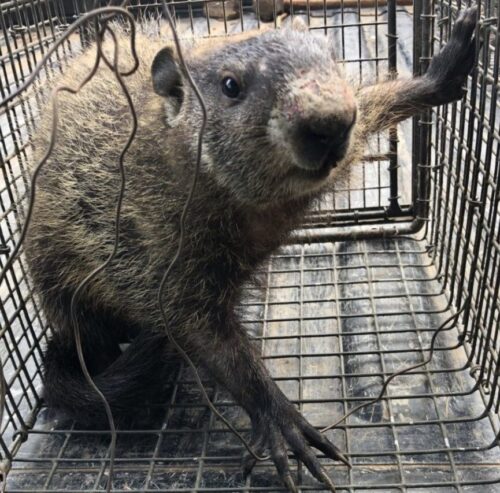
MOST COMMON QUESTIONS ABOUT GROUNDHOG & WOODCHUCK TRAPPING:
What is the difference between a groundhog and a woodchuck?
There is no difference. Groundhog and woodchuck are two names for the same animal (Marmota monax).
Why are groundhogs digging holes on my property?
Groundhogs dig extensive burrow systems for shelter and protection. These tunnels often appear in lawns, under sheds, foundations, decks, and near fence lines.
Can groundhogs damage foundations or structures?
Yes. Burrows near foundations, slabs, sheds, and retaining walls can cause soil instability and long-term structural issues.
Are groundhogs dangerous to people or pets?
Groundhogs are not aggressive, but they can bite if cornered. Their burrows create trip hazards, and they may carry parasites or diseases common to wildlife.
Do groundhogs live alone or in groups?
Groundhogs are generally solitary. Multiple animals on one property usually indicate overlapping territories or young dispersing animals.
Is it legal to trap groundhogs in Georgia?
Groundhogs are considered nuisance wildlife in Georgia, but trapping and handling must follow state regulations and humane practices.
Will groundhogs leave on their own?
Sometimes they relocate seasonally, but many remain if food sources and shelter are available. Without removal, damage often continues or worsens.
Do repellents or deterrents work for groundhogs?
Most repellents provide little to no long-term effectiveness. Groundhogs quickly adapt if food sources and burrow locations remain accessible.
How deep can groundhog burrows be?
Burrow systems can extend several feet underground with multiple entrances, nesting chambers, and escape routes.
What is the most effective way to stop groundhog damage?
Professional trapping and removal is the most reliable solution. Filling holes or using deterrents without addressing the animal typically leads to repeat activity.