Beaver Trapping & Beaver Damage Information
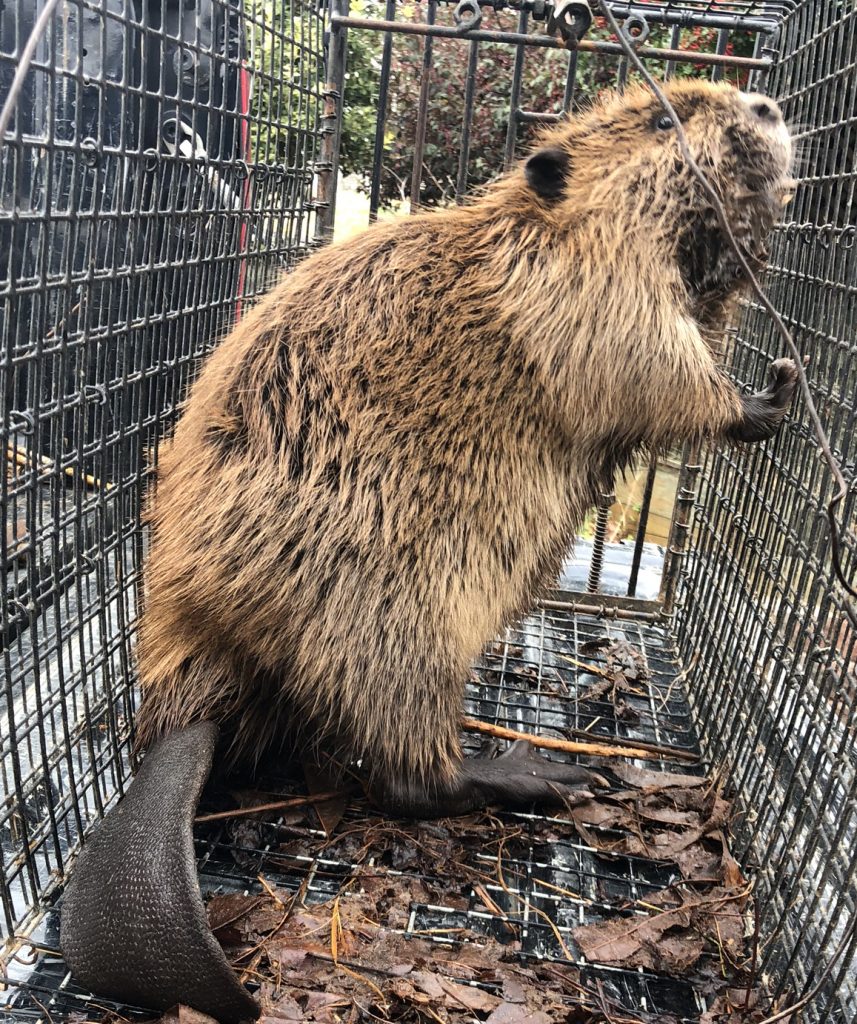
Beavers are not pests, and they cannot be managed through traditional pest control methods. When beavers establish activity on residential, agricultural, or managed properties in North Georgia, their behavior can lead to flooding, tree loss, damaged waterways, and altered drainage patterns. These issues require licensed wildlife professionals with experience specific to beaver trapping and control.
Beaver trapping and control services for North Georgia are professionally handled by our Wildlife Division, Southern Wildlife Management, providing homeowners and property managers with direct access to licensed beaver trapping when wildlife activity becomes destructive.
📞 Call Us:(678) 648-6397
Why Beaver Problems Are a Wildlife Issue, Not Pest Control
Beavers are not rodents or pests that can be managed through deterrents or surface treatments. They are regulated wildlife in Georgia, and Beaver Trapping must follow specific state laws, including daily trap checks and approved handling methods.
Because of their intelligence and territorial behavior, failed or improper trapping attempts often make beavers more difficult to remove. This is why beaver activity is handled through licensed nuisance wildlife trapping rather than traditional pest control services.
📞 Call Us:(678) 648-6397
Who Handles Beaver Trapping & Removal
Southern Pest Management and Southern Wildlife Management operate as a family-run partnership. While this page provides guidance on Beaver Damage and Beaver Trapping considerations, all trapping and removal services are fulfilled by our licensed wildlife division at SouthernPest.biz.
This structure ensures:
- Legal compliance with Georgia wildlife regulations
- Proper daily trap monitoring as required by law
- Humane, species-appropriate trapping methods
- Accurate assessment of colony size and activity
Professional Beaver Trapping Services
Beaver Trapping is typically quoted in defined time frames rather than per-animal pricing. Factors that affect trapping scope include:
- Size of the pond, lake, or stream
- Distance and accessibility of trapping locations
- Presence of dams or lodges on the property
- Evidence of prior trapping attempts
- Estimated size of the beaver colony
Trapping is always conducted with daily trap checks, as required by Georgia law. Proper monitoring is essential not only for compliance, but to prevent educating beavers to avoid traps.
📞 Call Us:(678) 648-6397
Beaver Inspections & Site Evaluation
In many cases, a rough estimate can be provided over the phone based on the details of the situation. When a firm price is needed, an on-site Beaver Inspection may be recommended. This allows for identification of active dams, lodges, travel routes, and colony size, helping determine the effort required for effective Beaver Trapping and related services.
Dam or lodge removal should never occur before the beavers have been properly removed, as this often worsens flooding and increases activity.
Beaver Dam Removal Services
Beavers frequently build multiple dams, not all of which are immediately visible. After trapping is completed, Beaver Dam Removal may be recommended to restore natural water flow. Dam debris is typically redistributed along the waterway to maintain habitat support for fish and aquatic life while reducing flooding risk.
This page provides an overview of Beaver Damage and Beaver Trapping considerations. For full Beaver Trapping Services, pricing, and site-specific recommendations, visit our wildlife division:
MOST COMMON BEAVER TRAPPING & BEAVER DAMAGE QUESTIONS IN NORTH GEORGIA AREA:
What signs indicate beavers are active on my property?
Common signs include freshly cut trees with pointed stumps, rising or backed-up water levels, flooded areas, mud-packed dams, lodges, and gnawed vegetation near ponds, creeks, or drainage systems.
Can beavers cause serious property damage in North Georgia?
Yes. Beavers can flood land, kill trees, damage drainage infrastructure, undermine roads or culverts, and alter natural water flow, leading to erosion and long-term property damage.
Are beavers protected in Georgia?
Beavers are considered a nuisance species in Georgia, but trapping and removal are still regulated. Removal must follow state laws and be performed by a properly licensed wildlife professional.
Is beaver trapping legal on private property?
Yes. Beaver trapping is legal on private property when conducted by a licensed trapper and in compliance with Georgia regulations, including mandatory daily trap checks.
Why shouldn’t beaver dams be removed before trapping?
Removing dams before the beavers are trapped often makes the problem worse. Beavers will aggressively rebuild dams, sometimes in multiple locations, increasing flooding and damage.
How far will beavers travel from water to cause damage?
Beavers may travel 100 yards or more from ponds or streams to reach food sources such as trees, crops, or landscaped areas.
Do beavers live alone or in groups?
Beavers usually live in family colonies of four to eight animals, though solitary beavers may occupy abandoned ponds, farm ponds, or drainage areas.
How long does beaver trapping typically take?
Most beaver trapping jobs are quoted in set timeframes, often around two weeks, depending on colony size, terrain, access, and water conditions.
Will beavers return after trapping?
If habitat conditions remain favorable, new beavers can eventually move into the area. Proper monitoring and management help reduce repeat activity.
Can beavers permanently damage trees?
Yes. Beavers commonly cut or girdle trees, which can kill both hardwoods and pines by disrupting nutrient flow, even if the tree is not fully cut down.
Are beavers active year-round in North Georgia?
Yes. Beavers remain active year-round, with increased movement during warmer months and spring dispersal when young beavers leave established colonies.
Can beavers damage roads, culverts, or drainage systems?
Yes. Beaver dams can block culverts and drainage pipes, leading to roadway flooding, erosion, and infrastructure damage.
Do beavers always build dams?
Not always. Beavers may also live in bank dens or lodges depending on water depth, flow, and available habitat.
Is relocation an option for beavers?
Relocation rules are restricted and highly regulated. Licensed wildlife professionals must follow Georgia guidelines for handling and disposition.
What is the most effective long-term solution for beaver problems?
The most effective approach involves properly trapping the beavers first, followed by dam management and monitoring to restore normal water flow and prevent ongoing damage.